A Church of Sandbaggers Beloved by the Community
Sandbagging is often a negative term used to describe someone who intentionally underperforms. So, it may come as some surprise to learn that in Cashmere, Washington, Christ Center (AG) not only recently started a sandbagging “movement,” but lead pastor Steve Haney helped convince numerous members of the community to willingly participate in sandbagging — literally.
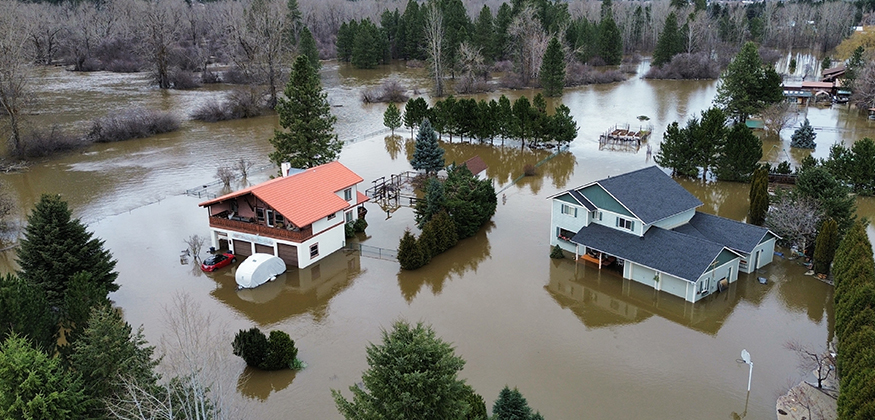
It began in early December — forecasters issued warnings for much of the state of Washington for residents to prepare for potential record flooding due to an extended weather pattern of heavy rain. Some people listened. Some people tuned out. Haney and the congregation of Christ Center acted.
Cashmere, which has experienced excessive damage due to past flooding events, was not ready for potentially record rainfall.
Christ Center, on the other hand, is home to a disaster chaplain response team and people with a heart to serve.
Haney explains that the chaplains typically engage with people after a disaster — listening to people’s stories, allowing people opportunity to express their emotions, praying with people, and offering a ministry of presence when people struggle to find hope. However, when heavy flooding was forecast and portions of the city were at real risk, the church jumped into action.
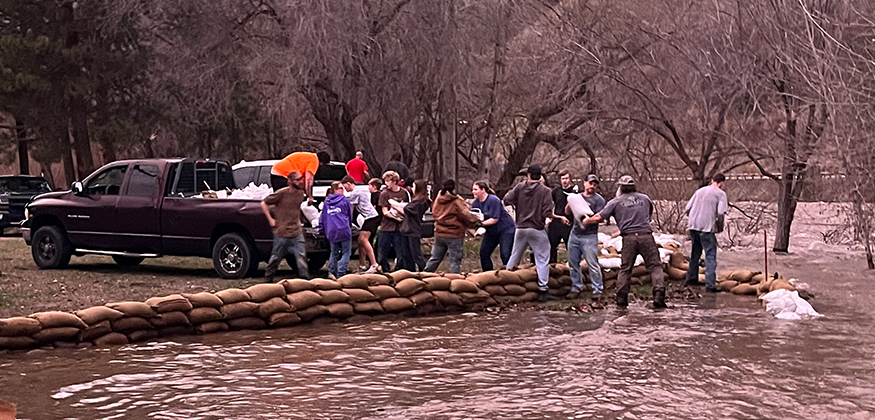
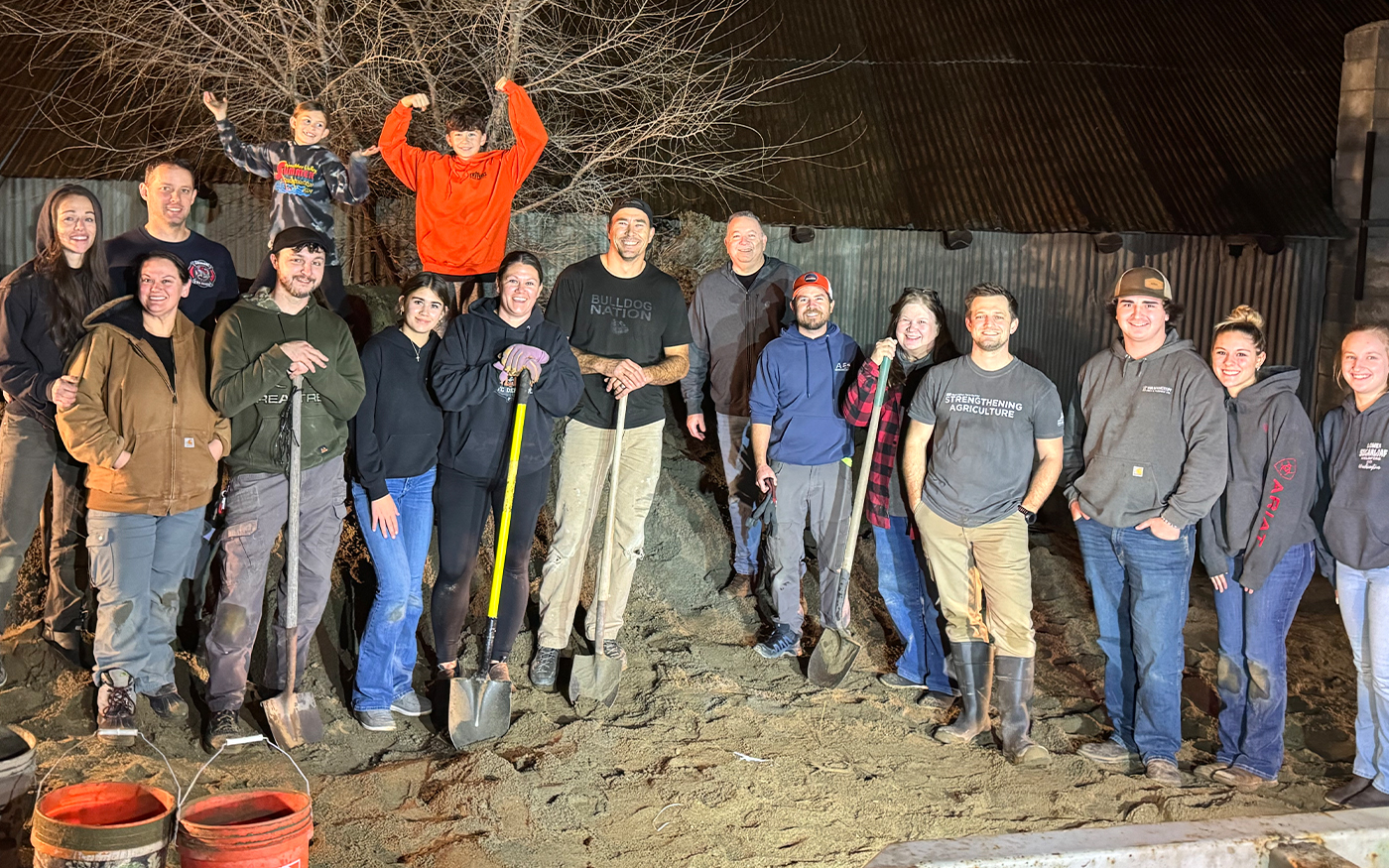
“We had a bunch of people volunteer to help fill and distribute sandbags,” Haney says. “We also helped mobilize the community, putting it [the sandbagging effort] all over social media. We filled thousands of sandbags and distributed them to several vulnerable locations.”
Haney, who was the coordinator of the sandbagging effort, says that as people bagged the sand, pick-up trucks would pull through, get loaded with sandbags, and head out to distribute them.
“Sometimes we would have five or six pickups in line for sandbags,” Haney says.
And the result?
While other communities suffered significant losses, Haney reports that the sandbags helped spare Cashmere.
“It definitely worked,” Haney says of the deployment of sandbags. “The mobile home park said we probably saved five dwellings there and we definitely saved a lot of folks on Riverside Street — I think they reported only one house got severely flooded in Cashmere, so that was huge.”
However, the church didn’t stop there. Christ Center learned of a couple in the hard-hit neighboring community of Leavenworth. The couple, who had previously attended Christ Center before moving, had lost nearly everything in flood waters, so the church deployed a team of disaster relief workers to help them.
“We spent nearly a week mucking out the house,” Haney says. “We had five dump-truck loads of debris we hauled out of the house — everything from rugs, furniture, and drywall to insulation and a piano. Then we had to spray the mold abatement on . . . and, in the middle of that, the river rose again and started flooding, so we had to sandbag that house to protect it.”
The couple was, as one might expect, overwhelmed with gratitude.
Haney says that 55 people from the church signed up to help with the relief effort, with many assisting Convoy of Hope by putting together flood clean-up kits and distributing them to people in need in Leavenworth and Cashmere. Disaster chaplains also went door-to-door to check on people and pray with them, if desired. The church building itself served as a Red Cross shelter.
Currently the church has about 20 active chaplains as part of the congregation, but has trained a couple of hundred over the years, including individuals not a part of Christ Center.
“I’m the Network Emergency Response coordinator,” Haney notes. “When we did our last training, we videoed that. Now, someone can go to our site, download the video (or attend a training in person), and can walk through those training sessions. Anyone in the church can now get quality training and at least have some tools in their tool belt when serving as a disaster chaplain.”
Haney encourages other churches to consider the value of having trained disaster relief chaplains as part of the congregation. He explains disaster takes many forms, with large-scale natural disasters often the first to come to mind. However, people also suffer personal disasters — loss of a loved one, divorce, loss of a job — where a trained chaplain can make a difference and help a hurting person or family take steps toward healing.
Haney invites church leaders interested in creating a chaplain disaster response team to check out the free chaplaincy training videos and training manual and contact him with questions at [email protected].